ASE Certification Benefits for Students
ASE Entry-Level certification is the first step in building career credentials as an automotive service professional.

ASE Entry-Level Requirements:
-
10Automobile Tests
-
5Medium/Heavy Truck tests
-
5Collision Repair tests
- Tests are developed by ASE and delivered by schools
- Proctored in person or remotely
- Each credit allows two attempts per test each school year

How is it Different?
Entry-Level vs Other ASE Certifications
- Intended for students instead of experienced technicians
- Knowledge-based questions, rather than diagnostic-based
- No hands-on work experience requirement for Entry-Level
- Expires after two years with no recertification option
- Both are built to ASE’s exacting industry-driven standards
Certification Pathway
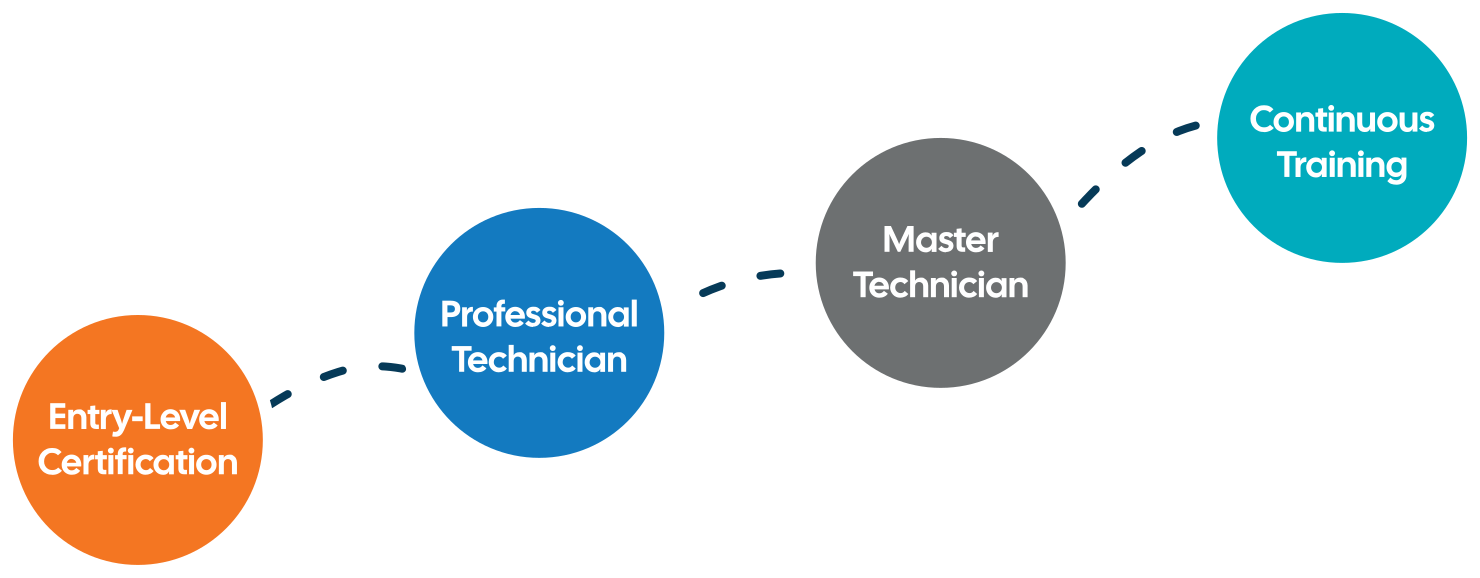
The National Institute for Automotive Service Excellence (ASE) Entry-Level certification tests are designed to indicate a satisfactory level of practical knowledge-based readiness for the workforce in candidates seeking a career in the automotive service industry. ASE Entry-Level certification tests are available for the Automobile, Collision Repair/Refinish and M/H Truck segments (series). ASE Entry-level certification is the first step in building career credentials as an automotive service professional.
Types of Tests
ASE certification testing falls primarily into three types:
-
1. Certification Tests
Full-length exams designed for technicians with work experience; they cover specific service areas (e.g., automobile repair, collision repair, medium/heavy trucks) and result in formal ASE certification upon passing and meeting experience requirements.
-
2. Practice Tests
Online preparation tools that mirror the format of the certification exams, allowing candidates to assess their readiness, become familiar with question styles, and identify weak topics before taking the official test.
-
3. Entry-Level / Entry Series Tests
Designed for students and new service professionals to build foundational credentials and lead into the full certification track.
Together, these test types provide a structured path: build knowledge and experience, practice effectively, then undertake the official certification exam in your specialty.

Study Tips
- Focus study time on the topics you know least, using the ASE test blueprint to guide what to prioritize.
- Take practice tests to identify weak areas and become familiar with ASE question formats.
- Review both theoretical knowledge and hands-on concepts — ASE exams test understanding beyond everyday shop work.
- Maintain a consistent study schedule and manage time effectively during both preparation and the exam.
See the complete study guide here.